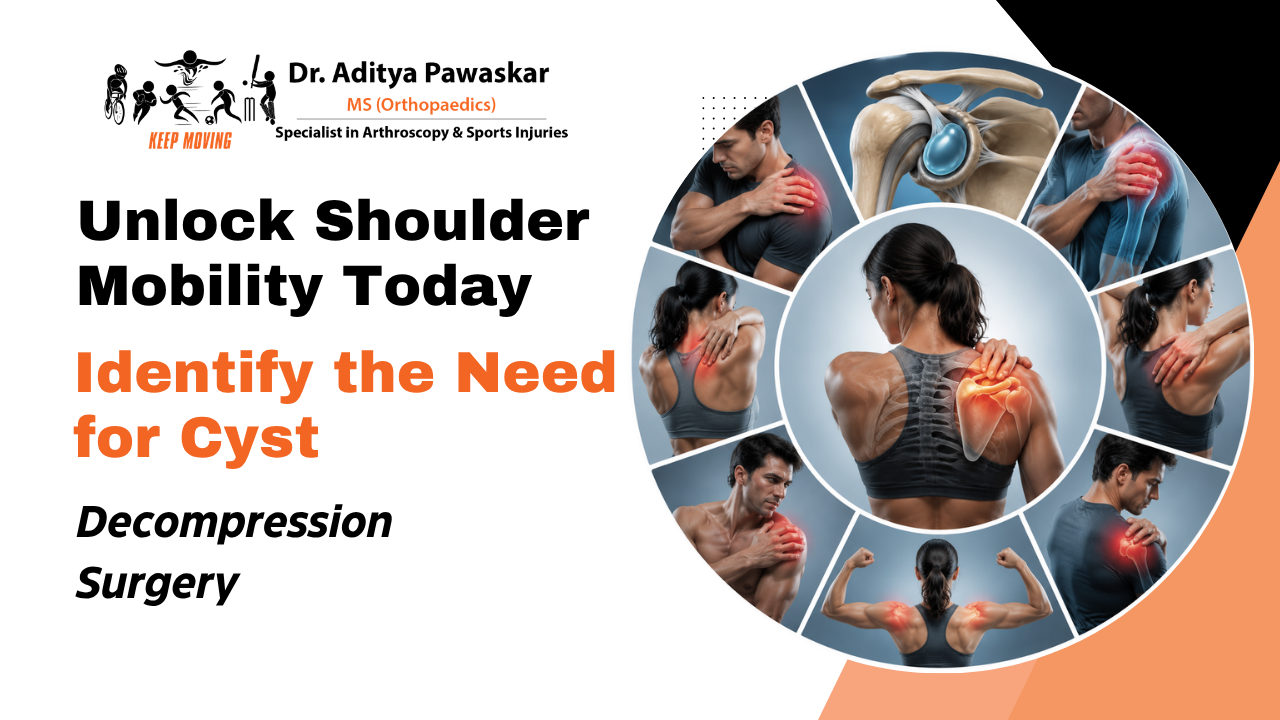
Expert Insights by Dr. Aditya Pawaskar, MS (Orthopaedics) – Arthroscopy & Sports Injury Specialist,Mumbai
A paralabral cyst is a fluid-filled sac that forms near the labrum of the joint, most commonly in the hip or shoulder. These cysts can occur due to labral tears or damage, and while many people live with them without major symptoms, some may experience significant discomfort or limitations in joint function. When this happens, paralabral cyst decompression surgery may be necessary to relieve pain and restore mobility.
In this blog, we will discuss the signs that indicate you might need paralabral cyst decompression surgery, the causes of paralabral cysts, and how this procedure can help improve your quality of life.
1. Understanding Paralabral Cysts and Their Impact on Joint Health
What is a Paralabral Cyst?
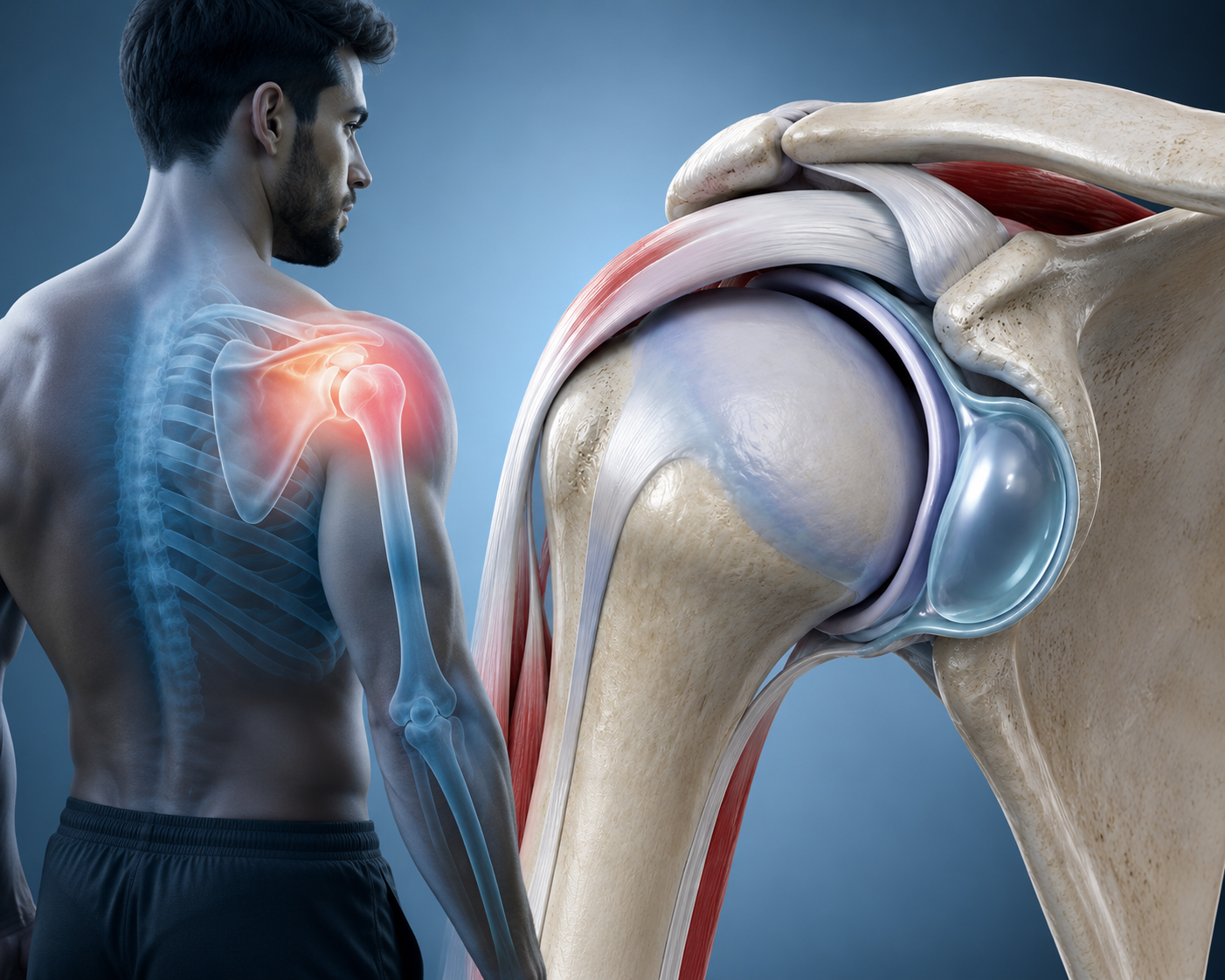
A paralabral cyst is a fluid-filled structure that forms adjacent to the labrum, which is the cartilage that surrounds the socket of the hip or shoulder joint. These cysts can be caused by a labral tear or degeneration that leads to fluid leakage. The fluid then accumulates in the surrounding tissues, forming a cyst.
Where Do Paralabral Cysts Occur?
Hip Joint: The cysts typically form near the acetabular labrum (the cartilage in the hip socket).
Shoulder Joint: Paralabral cysts are often found near the glenoid labrum (the cartilage in the shoulder socket).
These cysts can put pressure on surrounding tissues and nerves, causing pain, discomfort, and other complications that may require surgical intervention.
2. Persistent Pain or Discomfort in the Joint Area
Is Joint Pain a Sign of Paralabral Cysts?
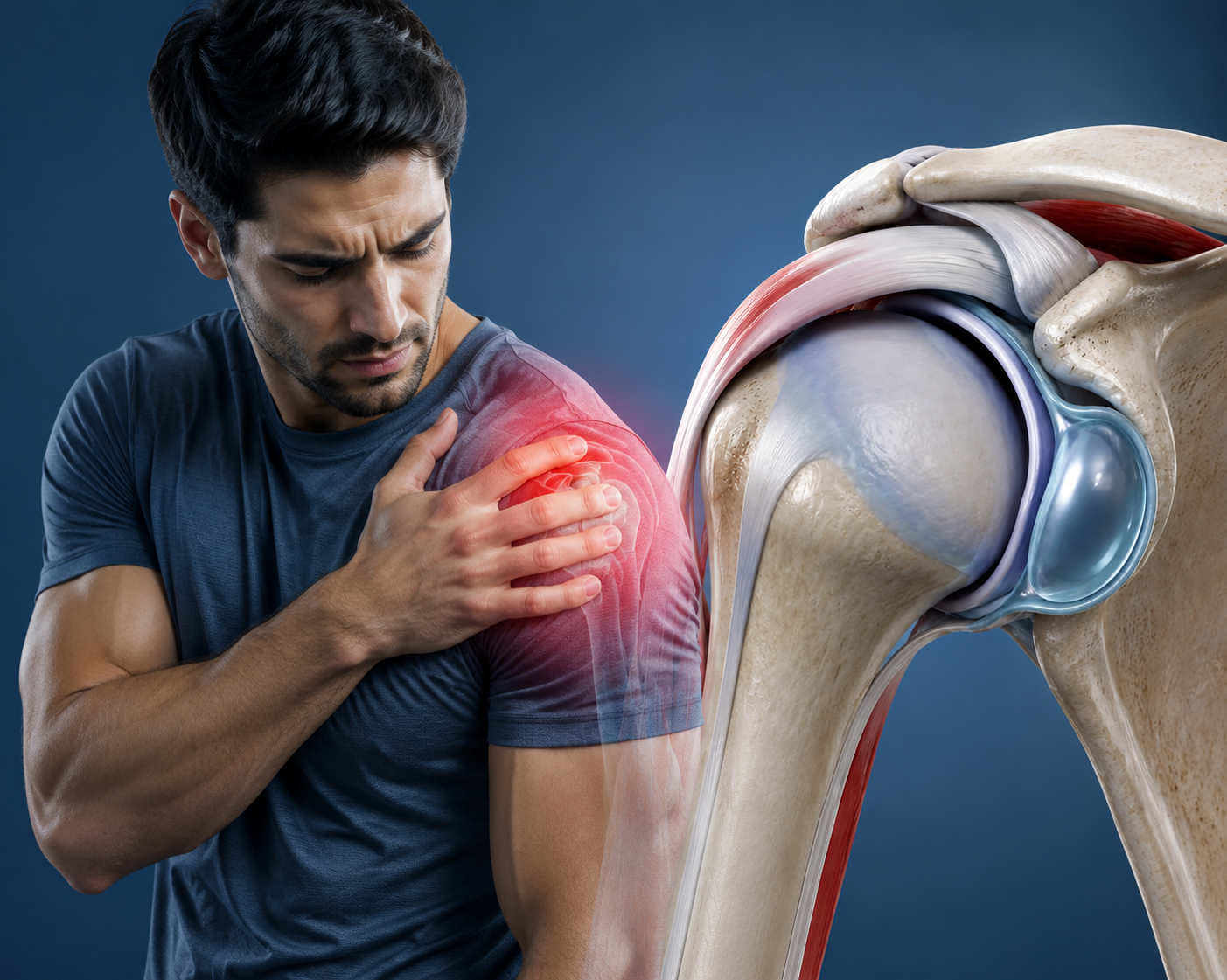
The most common symptom associated with paralabral cysts is pain in the affected joint. In the hip or shoulder, this pain might feel like a deep ache or a sharp, stabbing pain that worsens with movement or weight-bearing activities. If the cyst presses against surrounding tissues or nerves, it can lead to:
- Chronic pain in the hip or shoulder.
- Pain that intensifies during specific activities like sports, walking, or lifting overhead.
- Pain that doesn’t improve with rest or conservative treatments like physical therapy or anti-inflammatory medications.
If you’re experiencing ongoing pain that doesn’t seem to subside, especially if it’s limiting your range of motion, it might be a sign that the cyst is affecting your joint function.
3. Limited Range of Motion and Joint Stiffness
Loss of Flexibility
As a paralabral cyst grows, it can press against nearby structures, including muscles, tendons, and ligaments. This can cause:
- Stiffness in the affected joint.
- Difficulty moving the joint through its full range of motion, especially in activities that require rotation, bending, or lifting.
- An overall sense of joint instability or weakness.
If your shoulder or hip feels stiff or you’re unable to perform activities you once could, it could be due to the effects of the cyst on your joint mechanics.
4. Nerve Compression and Radiating Pain
Nerve Pressure
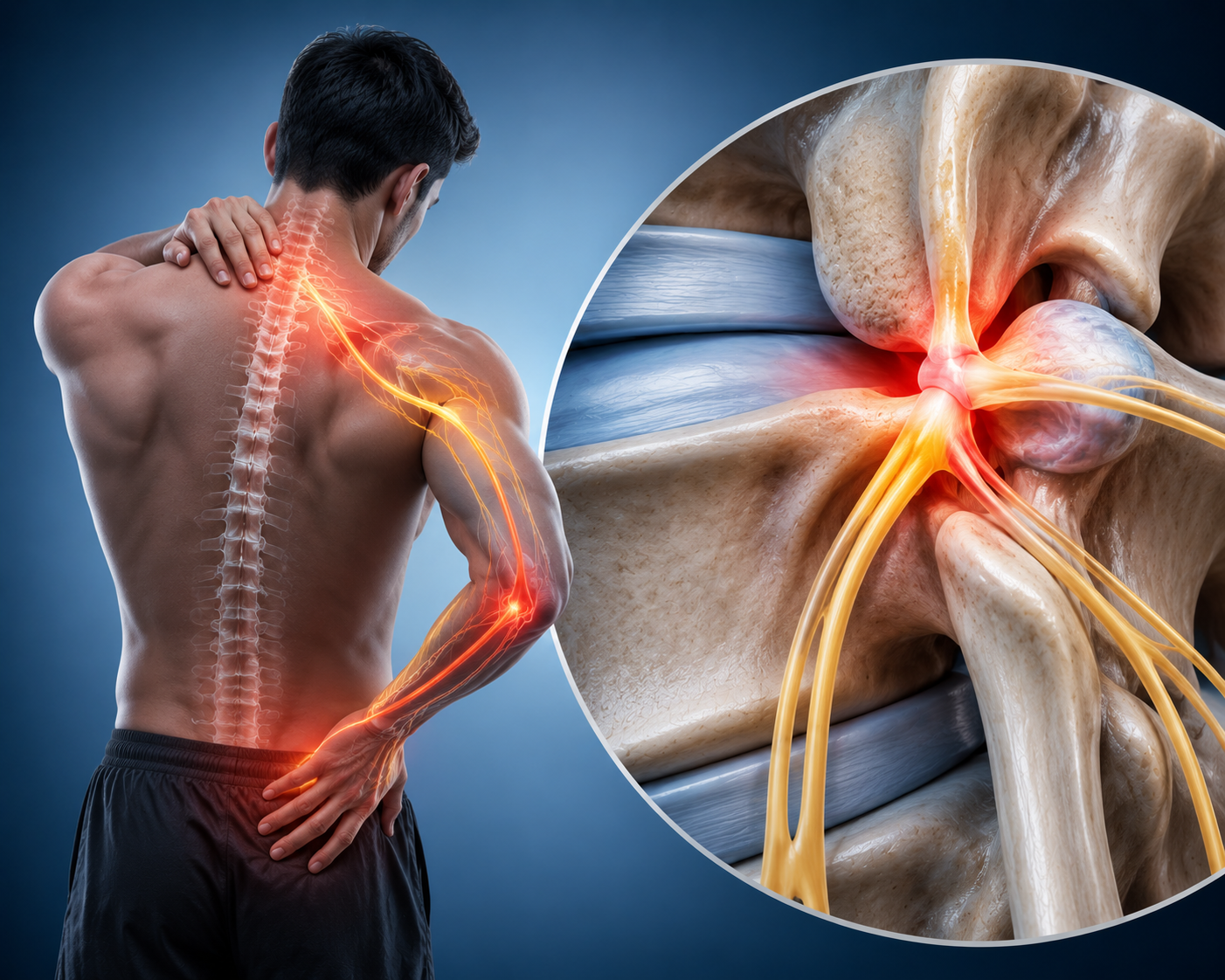
In some cases, paralabral cysts can compress nearby nerves, leading to radiating pain. This might be felt as:
- Pain down the leg (in the case of a hip paralabral cyst) or pain down the arm (in the case of a shoulder paralabral cyst).
- Numbness or tingling in the extremities.
- A sensation of weakness in the affected limb.
When a cyst compresses a nerve, it can lead to neurological symptoms that require prompt treatment.
5. Lack of Improvement with Conservative Treatments
When Non-Surgical Approaches Fail ?
Initially, doctors often recommend conservative treatments for paralabral cysts, including:
- Physical therapy to improve joint stability and strength.
- Anti-inflammatory medications to reduce swelling and pain.
- Corticosteroid injections to manage inflammation and provide relief.
However, if you’ve tried conservative treatments and continue to experience significant symptoms like pain, stiffness, or weakness, it may indicate that the cyst is not resolving on its own, and surgical intervention is required.
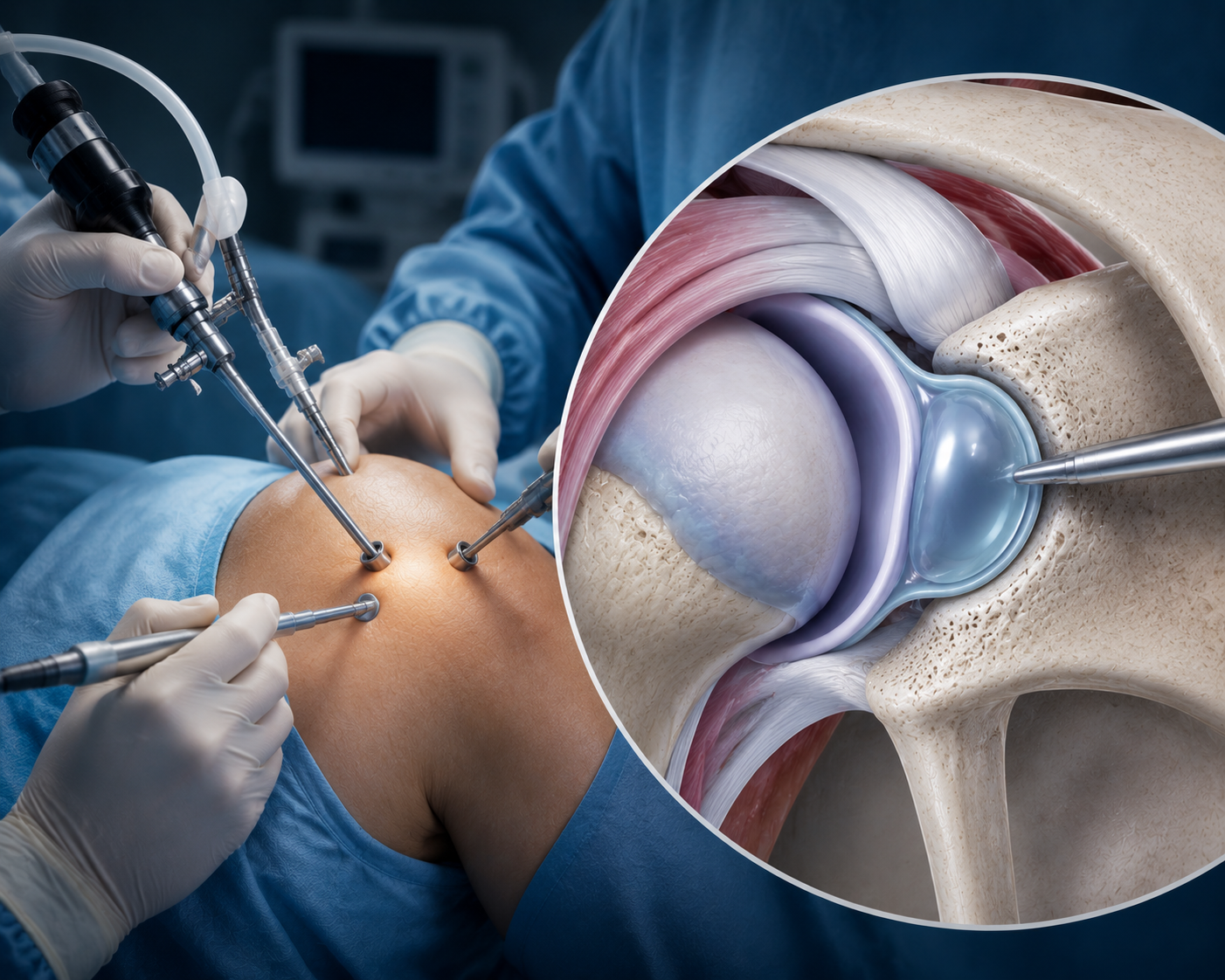
6. Paralabral Cyst Decompression Surgery: What Does It Involve?
What is Paralabral Cyst Decompression Surgery?
Paralabral cyst decompression surgery involves removing or draining the cyst and addressing the underlying issue, such as a labral tear. The goal of the procedure is to:
- Relieve pain and pressure caused by the cyst.
- Restore joint mobility and function.
- Prevent future complications related to the cyst or tear.
The surgery is usually performed arthroscopically, which involves small incisions and the use of a camera to guide the surgeon in removing the cyst with minimal damage to surrounding tissue.
7. Signs You Might Need Paralabral Cyst Decompression Surgery
Here are some key indicators that you may need paralabral cyst decompression surgery:
- Persistent or worsening pain that does not improve with rest or conservative treatment.
- Limited range of motion or joint stiffness that affects daily activities.
- Nerve compression symptoms, including radiating pain, numbness, or tingling.
- Failure of physical therapy or injections to improve symptoms.
- Joint instability or weakness that impairs your ability to move or perform sport-related activities.
If you’re experiencing any of these symptoms, it’s important to consult with a specialist in sports injuries or orthopaedic surgery to discuss your treatment options.
Frequently Asked Questions (FAQs)
- Q1. How long does it take to recover from paralabral cyst decompression surgery?
A: Recovery time varies depending on the severity of the cyst and the type of surgery performed. Most patients can return to normal activities within 4-6 weeks after surgery, with more intense activities taking longer. - Q2. Will paralabral cyst decompression surgery completely eliminate pain?
A: In most cases, the surgery successfully relieves pain by removing the cyst and addressing the underlying causes. However, the success of the procedure depends on factors such as the size of the cyst, joint health, and the athlete’s adherence to rehabilitation protocols. - Q3. Are there any risks associated with paralabral cyst decompression surgery?
A: As with any surgery, there are risks, including infection, nerve damage, or re-injury. However, these risks are relatively low with arthroscopic techniques, which offer smaller incisions and faster recovery.
Conclusion
If you’re experiencing persistent pain, limited mobility, or nerve compression due to a paralabral cyst, it’s important to seek professional advice to determine if paralabral cyst decompression surgery is right for you. This procedure has helped many patients restore joint function and return to their normal activities, including sports.
If you're struggling with a paralabral cyst or suspect you may need surgery, consult with a specialist in orthopaedics and sports medicine to discuss your options and take the next steps toward recovery.

Dr. Aditya Pawaskar, MS (Orthopaedics)
- Specialist in Arthroscopy & Sports Injury, Mumbai
Visit: https://dradityapawaskar.com/