Expert Insights by Dr. Aditya Pawaskar, MS (Orthopaedics) – Arthroscopy & Sports Injury Specialist, Mumbai
In 2026, the landscape of sports rehabilitation is evolving with cutting-edge treatments, techniques, and technologies designed to help athletes recover faster and return to their sport at peak performance levels. Rehabilitation is no longer just about healing the injury — it's about optimizing the recovery process and getting athletes back on track as soon as possible. Whether it’s through innovative therapies, personalized recovery programs, or advanced technologies, rehabilitation trends are driving faster recoveries and reduced re-injury rates.
In this blog, we’ll explore the top rehabilitation trends that are helping athletes recover quicker and return to their sport with more confidence and resilience.
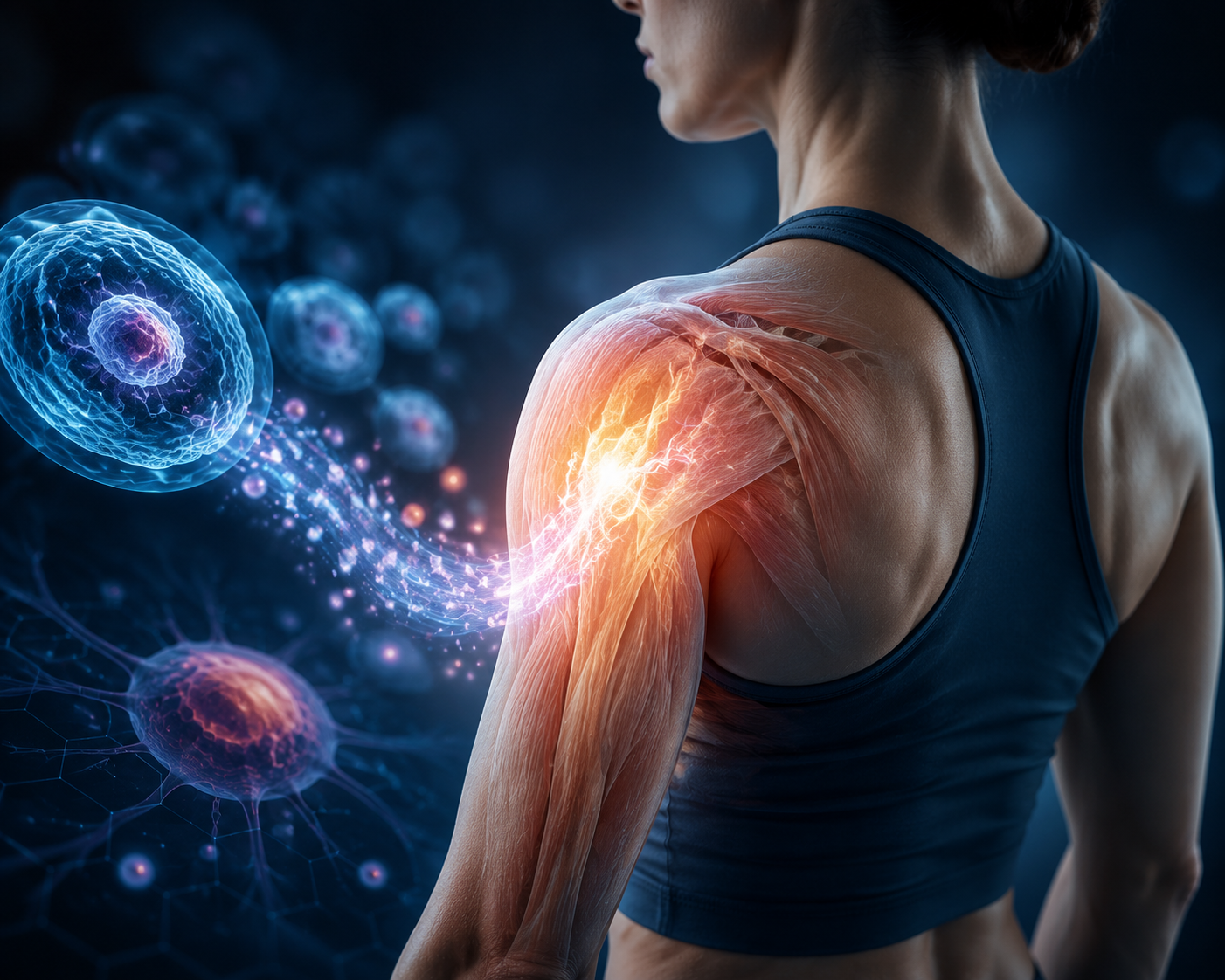
1. Regenerative Medicine: Speeding Up Healing at the Cellular Level
✅ What is Regenerative Medicine?
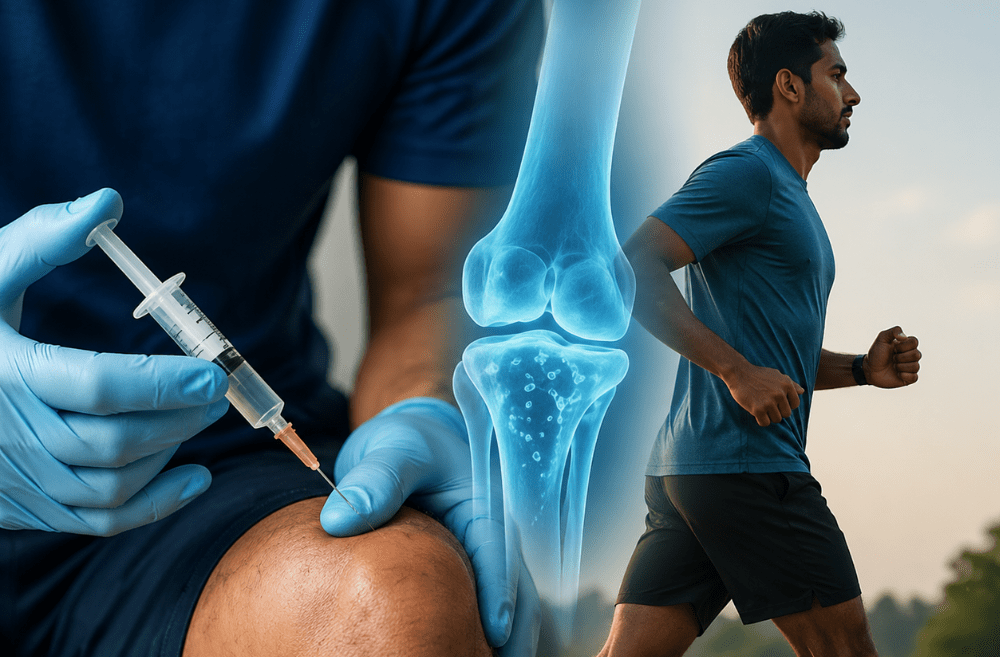
Regenerative medicine therapies, such as PRP (Platelet-Rich Plasma) therapy, stem cell therapy, and prolotherapy, are transforming sports rehabilitation by enhancing the body's natural healing mechanisms. These treatments stimulate tissue regeneration, reduce inflammation, and promote faster recovery.
💉 PRP and Stem Cell Therapy for Faster Recovery
PRP therapy involves injecting the patient’s own platelets, rich in growth factors, into the injured area. Similarly, stem cell therapy helps regenerate damaged tissues by introducing healthy stem cells that turn into new, functional cells. These therapies are particularly effective for ligament, tendon, and cartilage injuries, allowing athletes to recover faster and return to sport more quickly.
By stimulating healing from within, regenerative medicine accelerates the recovery process, minimizing downtime and reducing the need for invasive surgeries.
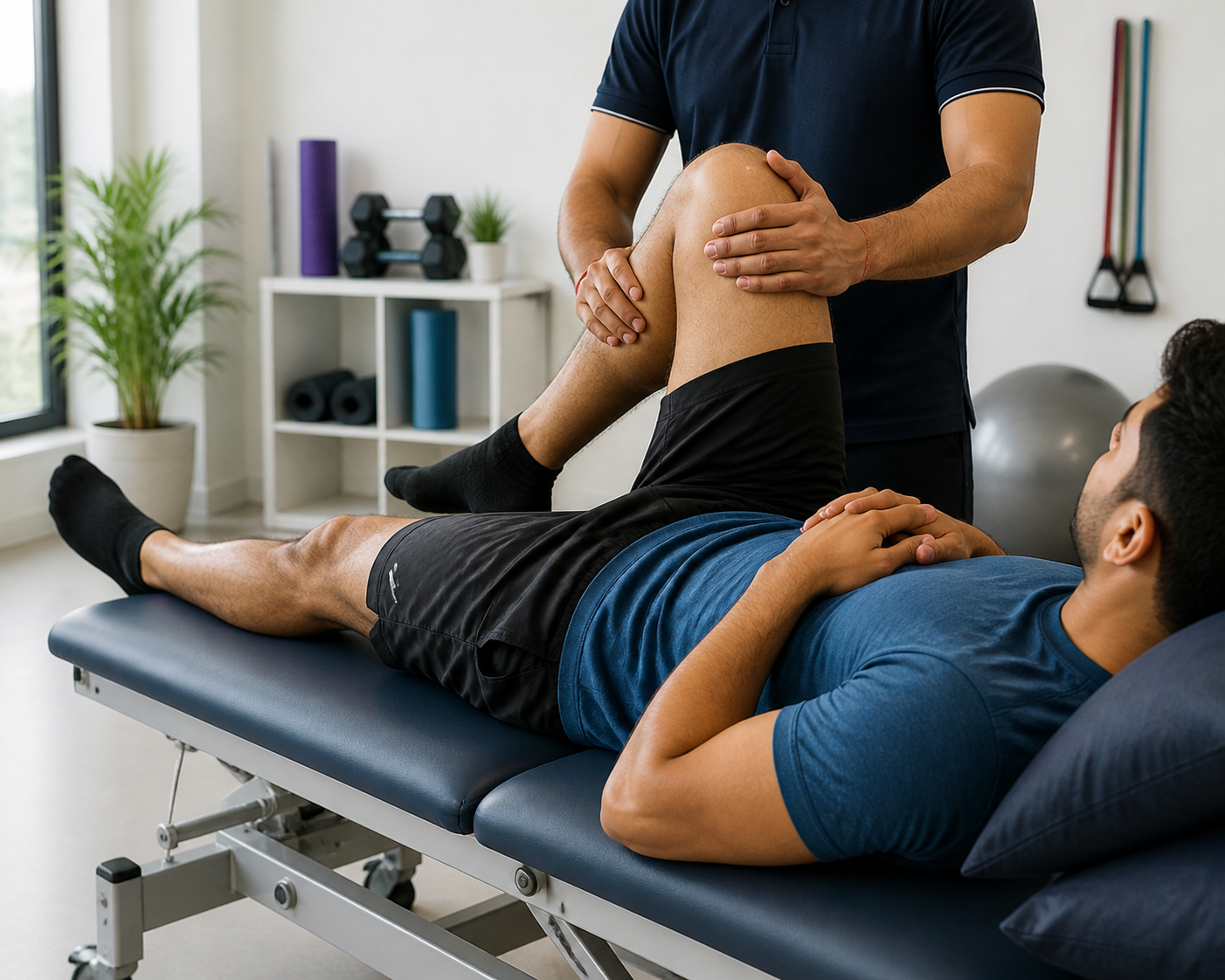
2. Personalized Rehabilitation Plans: Tailored to the Athlete’s Needs
✅ Why Personalized Plans Matter
Every athlete’s injury and recovery process is unique. One-size-fits-all rehabilitation programs are being replaced with personalized recovery plans based on the athlete’s sport, injury type, and physical condition.
🏋️♂️ Data-Driven Recovery
Advanced diagnostic tools and motion analysis allow for a detailed understanding of an athlete's specific recovery needs. By using this data, healthcare professionals create individualized plans that:
- Target the specific muscles, joints, and tendons affected by the injury
- Adjust the intensity and type of rehabilitation based on the athlete’s progress
- Integrate strength training, mobility exercises, and sport-specific drills into the recovery process
Tailoring rehabilitation to the athlete’s specific injury and needs allows for faster, more effective recovery, ensuring the athlete is in peak condition when they return to sport.
3. Virtual Rehabilitation and Remote Monitoring
✅ Virtual Rehab: The Future of Injury Recovery
The rise of virtual rehabilitation allows athletes to continue their recovery from the comfort of their homes. Through virtual consultations, personalized video exercises, and remote monitoring, athletes can stay on track with their rehab process without the need for frequent in-person visits.
📱 Wearables and Remote Monitoring for Real-Time Feedback
Wearable devices are increasingly used to track an athlete's recovery progress in real time. These devices monitor:
- Movement quality and biomechanics during rehabilitation exercises
- Muscle recovery through EMG (electromyography) sensors
- Heart rate variability to assess recovery status
Data from wearables can be sent to the athlete’s rehabilitation team, allowing them to adjust the rehab program based on the athlete’s condition and progress, all while maintaining a high level of engagement and accountability.
4. Neuromuscular Electrical Stimulation (NMES): Enhancing Muscle Recovery
✅ What is NMES?
Neuromuscular Electrical Stimulation (NMES) involves using electrical impulses to stimulate muscles and promote faster recovery. It’s a technique that helps rebuild strength and reduce muscle atrophy in injured areas. NMES is commonly used in rehabilitation after surgeries or injuries, especially for lower limb or knee recovery.
💪 How NMES Helps in Rehabilitation
NMES helps:
- Rebuild muscle strength after surgery or injury
- Prevent muscle atrophy by stimulating muscle contraction
- Promote tissue healing by increasing blood flow to the injured area
By improving muscle function and reducing recovery time, NMES allows athletes to regain strength and mobility more quickly, speeding up their return to sport.
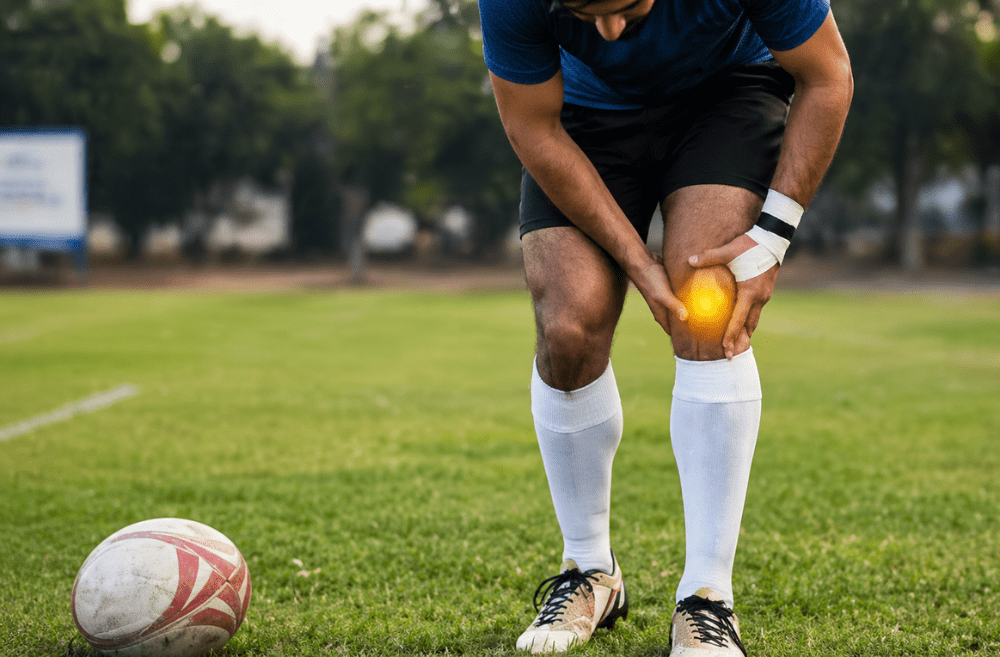
5. Progressive Loading: Gradually Increasing Intensity for Safer Recovery
✅ The Role of Progressive Loading in Rehabilitation
Progressive loading is an important trend in sports rehabilitation that focuses on gradually increasing the intensity of exercises to help athletes return to full capacity safely. Instead of rushing an athlete back to intense activity, progressive loading allows for a step-by-step approach that ensures each stage of recovery is thoroughly tested before increasing stress on the injured area.
🏃♂️ Sport-Specific Progressions
Progressive loading is not just about generic exercises — it’s about preparing the athlete for their sport. Rehabilitation programs are now sport-specific, with tailored drills that mimic the movements and intensities the athlete will face during competition.
By carefully increasing load in a controlled manner, progressive loading minimizes the risk of re-injury and prepares the athlete for a full return to sport.
6. Mental Health and Cognitive Rehabilitation
✅ The Importance of Mental Health in Recovery
Recovery from injury isn’t just about the physical aspects; it also involves significant mental recovery. Athletes often face challenges such as:
- Fear of re-injury
- Loss of confidence
- Frustration with slow recovery progress
In 2026, cognitive rehabilitation is being integrated into sports rehabilitation programs. Techniques such as visualization, mental conditioning, and psychological support are becoming essential tools to help athletes manage the mental side of recovery.
🧠 Cognitive Rehabilitation for Performance
Mental resilience and confidence-building exercises help athletes overcome mental blocks, improve focus, and rebuild their psychological strength for a successful return to sport. Sports psychologists are now working alongside rehabilitation specialists to ensure athletes are ready not just physically, but also mentally.
Frequently Asked Questions (FAQs)
- Q1. How long does it typically take for an athlete to return to sport after rehabilitation?
A: The recovery timeline varies based on the injury severity, rehabilitation methods used, and the athlete’s commitment to the program. However, advanced rehabilitation techniques can significantly speed up recovery compared to traditional methods. - Q2. Is virtual rehabilitation effective in the recovery process?
A: Yes, virtual rehabilitation has proven to be effective in maintaining progress during recovery. With real-time monitoring and personalized exercise plans, athletes can continue their rehab from home while staying connected with their rehab team. - Q3. What role does progressive loading play in rehabilitation?
A: Progressive loading ensures that athletes gradually increase the intensity of their rehabilitation exercises, reducing the risk of overloading the injured area. This step-by-step approach helps prepare athletes for a safe return to full activity.
Conclusion
In 2026, sports rehabilitation is undergoing a transformation with the integration of advanced technologies, personalized recovery programs, and mental health strategies. These trends are empowering athletes to recover more quickly, safely, and effectively, reducing downtime and accelerating their return to sport.
By incorporating these modern rehabilitation techniques, athletes not only recover faster but also perform at a higher level post-injury. As a specialist in arthroscopy and sports injuries, I believe that these trends are the future of sports medicine, and will continue to play a critical role in an athlete's journey back to peak performance.
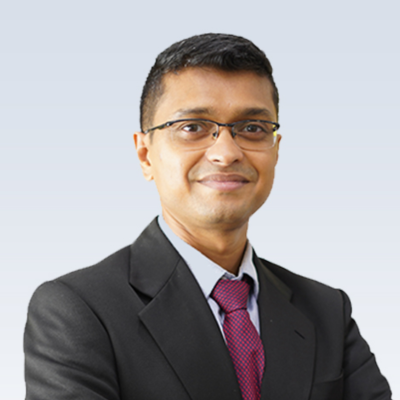
Dr. Aditya Pawaskar, MS (Orthopaedics)
- Specialist in Arthroscopy & Sports Injury, Mumbai
Visit: https://dradityapawaskar.com/