Expert Insights by Dr. Aditya Pawaskar, MS (Orthopaedics) – Arthroscopy & Sports Injury Specialist, Mumbai
Recovering from paralabral cyst decompression surgery is a process that requires a combination of rest, rehabilitation, and gradual strengthening exercises to regain full function of the affected joint. Paralabral cysts, often linked to labral tears, can significantly impact joint mobility and stability, especially in the shoulder or hip. After undergoing paralabral cyst decompression surgery, physical therapy plays a crucial role in helping you restore mobility, reduce stiffness, and rebuild strength, ultimately enabling a safe return to daily activities and sports.
In this blog, we’ll discuss some of the most effective physical therapy exercises that help accelerate your recovery after paralabral cyst decompression surgery, as well as tips on how to proceed with rehabilitation under the guidance of a professional.
1. The Role of Physical Therapy in Recovery
Why Physical Therapy Is Crucial
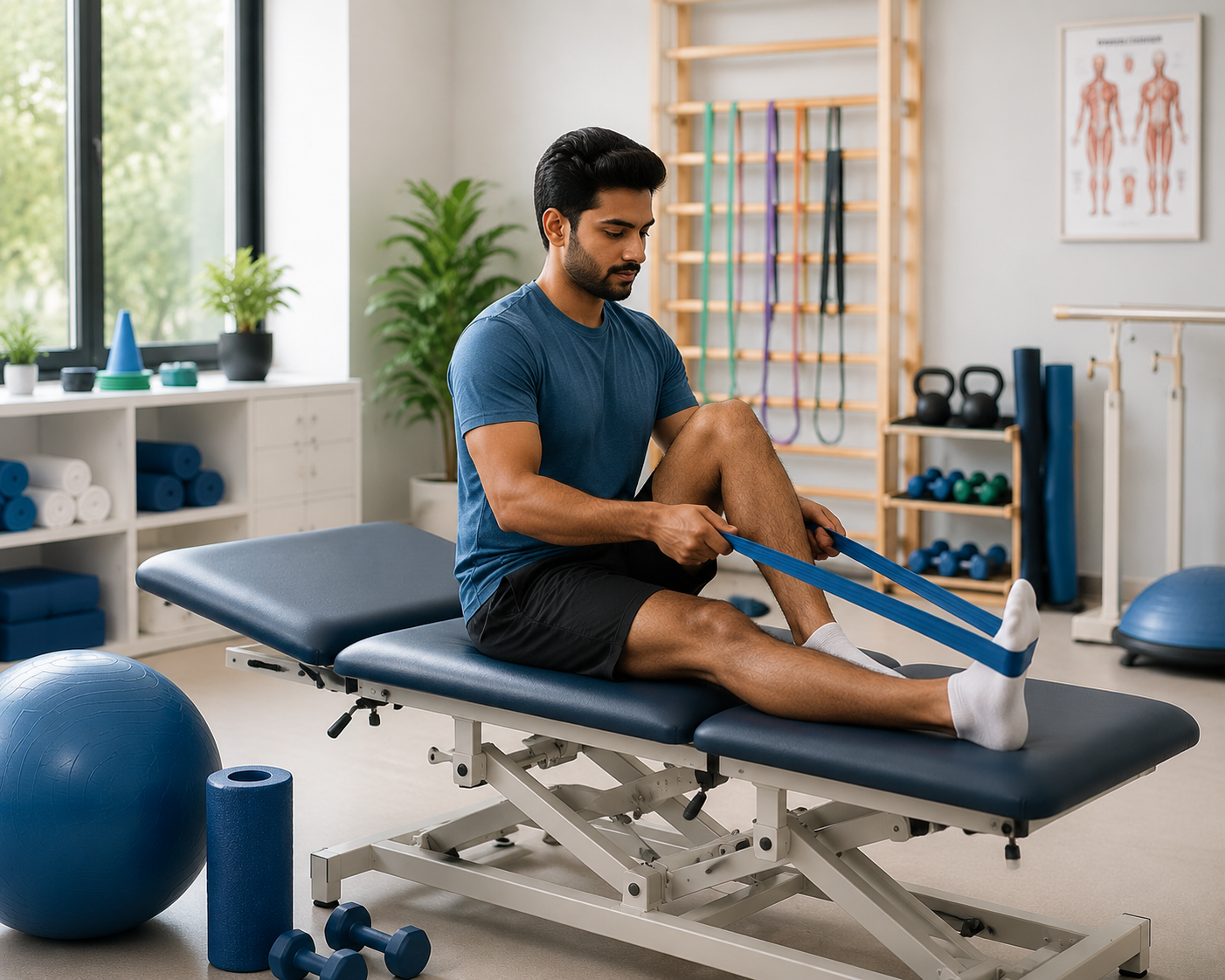
After paralabral cyst decompression surgery, your joint will need time to heal, but physical therapy is essential for restoring the full function of your joint and preventing stiffness or weakness. The goal of physical therapy includes:
- Reducing pain and inflammation in the affected area.
- Improving range of motion and flexibility.
- Rebuilding strength in the muscles and ligaments surrounding the joint.
- Restoring joint stability and function, which is critical for preventing re-injury.
Starting physical therapy soon after surgery ensures that you maintain mobility and begin the rehabilitation process while preventing complications like muscle atrophy or joint stiffness.

2. Early Stage Rehabilitation: Focus on Mobility and Flexibility
In the early stages of recovery (first 2-4 weeks), your physical therapy exercises will mainly focus on gentle movements to restore range of motion and flexibility without putting too much strain on the healing joint. The emphasis will be on pain management and gentle stretching.
Passive Range of Motion (PROM) Exercises
PROM exercises involve the therapist gently moving your joint through its full range of motion to prevent stiffness. These exercises help you regain flexibility without using your own muscles to move the joint.
- For Shoulder Paralabral Cysts: Gentle overhead stretches and rotations.
- For Hip Paralabral Cysts: Leg raises and hip flexion stretches.
These exercises are designed to maintain the joint's movement and prevent long-term complications, such as frozen shoulder or hip stiffness.
3. Strengthening Exercises: Building Muscle Around the Joint
As your recovery progresses (typically after 4-6 weeks), the focus of physical therapy will shift to strengthening the muscles around the affected joint. Strengthening exercises are vital for supporting the labrum and preventing further injury.
Strengthening Exercises for Shoulder
Isometric Shoulder Contractions:
Stand or sit upright and contract the shoulder muscles without moving the joint. Hold for 5-10 seconds and release. This helps activate the muscles around the shoulder without causing any joint movement.
Resistance Band Exercises:
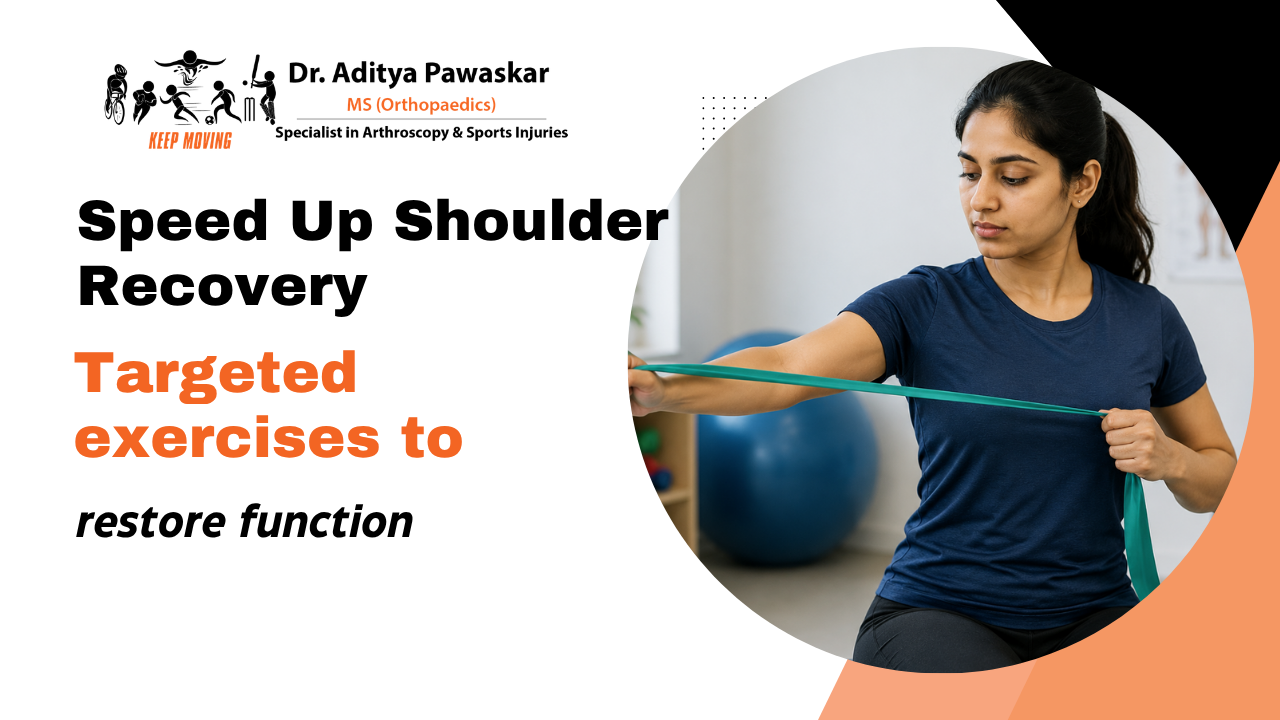
Attach a resistance band to a stable object and gently pull the band in different directions (forward, backward, and sideways). These exercises work on improving shoulder stability and muscle strength.
Strengthening Exercises for Hip
Hip Bridges:
Lie on your back with knees bent and feet flat on the floor. Slowly lift your hips toward the ceiling by contracting your glutes, holding for a few seconds, then lower your hips back to the ground. This exercise strengthens the glute muscles and helps stabilize the hip joint.
Clamshells:
Lie on your side with your knees bent and feet together. Open and close your knees like a clamshell, keeping your feet in contact with each other. This exercise targets the hip abductors and strengthens the muscles around the hip joint.
These strengthening exercises are essential for rebuilding the muscle strength necessary to support your joint and prevent re-injury.
4. Advanced Rehabilitation: Sport-Specific Exercises and Functional Training
Once you've regained sufficient strength and flexibility (typically after 6-8 weeks), you’ll begin to focus on more sport-specific exercises and functional training. This phase prepares you to return to physical activity and sports without compromising your joint’s health.
Sport-Specific Drills for the Shoulder
Shoulder Circles: With your arm extended, make small to large circles with your shoulder to improve mobility and strength. This exercise mimics the rotational movements in many sports like swimming, tennis, or baseball.
Overhead Presses: With light weights or resistance bands, press your arms overhead and slowly lower them back down. This mimics the motion required in activities like volleyball or weightlifting.
Sport-Specific Drills for the Hip
Lunges: Lunges help build strength in your lower body and mimic real-life movements, making them ideal for returning to running, soccer, or tennis.
Step-Ups: Step up onto a raised platform with one leg at a time, focusing on controlled movement and maintaining balance. This exercise helps strengthen the hip flexors, quads, and glutes.
5. Tips for Effective Rehabilitation
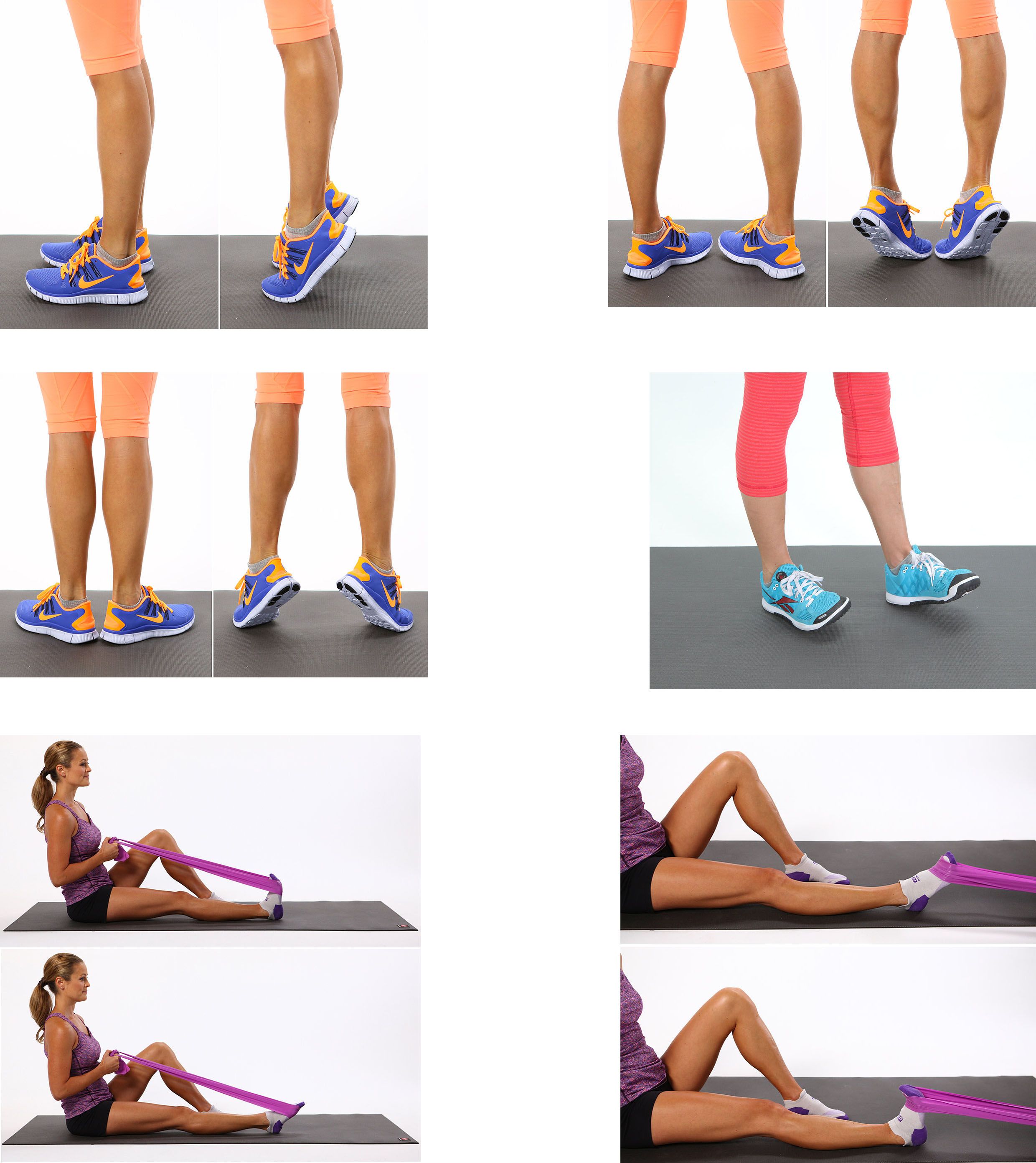
- Consistency Is Key: Attend all scheduled physical therapy sessions and complete your exercises consistently. Progressively increase the intensity of exercises as recommended by your therapist.
- Listen to Your Body: If you experience any unusual pain or discomfort, inform your therapist immediately. Avoid pushing through intense pain as it can lead to re-injury.
- Focus on Mobility and Strength Together: Make sure to incorporate both mobility and strengthening exercises into your daily routine for optimal recovery. Balance flexibility, strength, and function to fully rehabilitate your joint and prevent further issues.
Frequently Asked Questions (FAQs)
- Q1. How soon can I start physical therapy after paralabral cyst decompression surgery?
A: Physical therapy can begin soon after surgery, typically within the first 1-2 weeks. Initially, the focus will be on gentle range of motion exercises, with strengthening exercises starting later in the recovery process. - Q2. Will I experience pain during physical therapy?
A: Some discomfort may occur, especially in the early stages, as the joint regains mobility and strength. However, your physical therapist will adjust the intensity to ensure you don’t experience pain that could hinder recovery. - Q3. How long does physical therapy last after paralabral cyst decompression surgery?
A: Physical therapy typically lasts between 3 to 6 months depending on the severity of the injury, the specific joint involved, and the individual’s progress. Some athletes may return to sport earlier, while others may require more time for full rehabilitation.
Conclusion
Physical therapy after paralabral cyst decompression surgery is essential for restoring joint mobility, strengthening muscles, and ensuring a safe return to physical activity. By focusing on mobility, strengthening, and sport-specific exercises, you can accelerate your recovery and minimize the risk of future injuries. Always work closely with a qualified physical therapist to guide you through the rehabilitation process and tailor your exercise program to your individual needs.

Dr. Aditya Pawaskar, MS (Orthopaedics)
- Specialist in Arthroscopy & Sports Injury, Mumbai
Visit: https://dradityapawaskar.com/