Runner’s Knee: Causes, Symptoms, Treatment and Prevention Tips for Runners
Running is one of the most effective ways to improve fitness, endurance, and overall health. However, repetitive stress on the knee joint can sometimes lead to pain and discomfort, especially when training intensity increases suddenly.
One of the most common running-related conditions is runner’s knee, a condition that causes pain around or behind the kneecap. Medically known as patellofemoral pain syndrome (PFPS), runner’s knee occurs when the kneecap does not move smoothly within the groove of the thigh bone during knee movement.
Many runners ignore early symptoms and continue training, which may worsen pain and affect performance. Understanding the causes, symptoms, treatment options, and prevention strategies can help runners protect their knees and maintain an active lifestyle.
Dr. Aditya Pawaskar is a Consultant Arthroscopic Surgeon and Sports Injury Specialist in Mumbai, specialising in knee injuries, sports-related conditions, and advanced arthroscopic treatments.
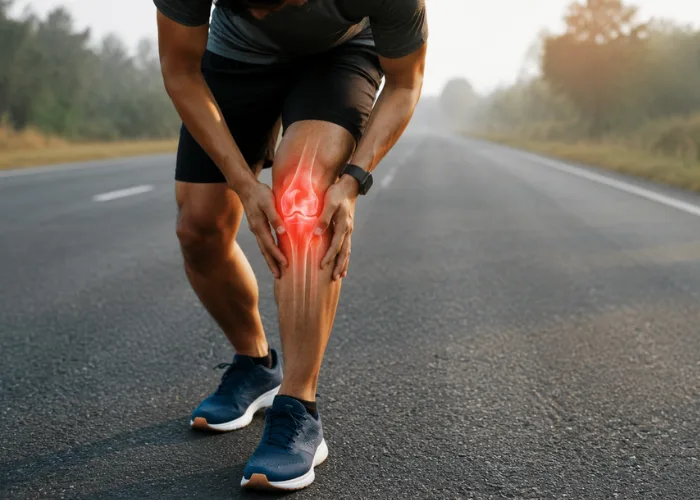
What Is Runner’s Knee?
Runner’s knee is a common overuse injury that causes pain around the front of the knee, especially near the kneecap.
The condition is often related to problems with how the kneecap moves during activities such as:
- Running
- Squatting
- Climbing stairs
- Jumping
- Cycling
When the kneecap repeatedly rubs against surrounding structures due to improper alignment, muscle imbalance, or excessive stress, irritation and pain may develop.
Runner’s knee is common among:
- Long-distance runners
- Athletes
- People who suddenly increase workout intensity
- Individuals with muscle weakness or poor movement patterns
What Causes Runner’s Knee?
Several factors can contribute to the development of runner’s knee.
1. Sudden Increase in Running Intensity
Increasing running distance, speed, or frequency too quickly can overload the knee joint.
Examples include:
- Starting marathon training suddenly
- Increasing weekly mileage rapidly
- Adding intense hill running
The muscles and joints may not have enough time to adapt to the increased stress.
2. Muscle Weakness
Weakness in muscles around the hip, thigh, and knee can affect knee alignment during running.
Important muscles include:
- Quadriceps
- Hamstrings
- Glute muscles
Poor muscle control can increase stress around the kneecap.
3. Improper Running Technique
Incorrect running mechanics may place additional pressure on the knee.
Factors include:
- Poor posture
- Incorrect foot landing pattern
- Reduced hip control
- Excessive inward movement of the knee
4. Footwear Problems
Worn-out or unsuitable running shoes may affect shock absorption and increase stress on the knee.
5. Training Surface
Running regularly on hard or uneven surfaces may contribute to repetitive knee strain.
Symptoms of Runner’s Knee
The symptoms of runner’s knee can vary depending on severity.
1. Pain Around the Kneecap
The most common symptom is pain:
- Around the front of the knee
- Behind the kneecap
- During or after running
2. Pain While Climbing Stairs
Many people notice increased discomfort when:
- Walking downstairs
- Squatting
- Sitting for long periods
3. Clicking or Grinding Sensation
Some runners may experience:
- Clicking sounds
- Popping sensations
- Grinding feeling during knee movement
4. Knee Stiffness
The knee may feel stiff after:
- Long runs
- Sitting for extended periods
- Intense workouts
5. Swelling or Discomfort After Activity
Some individuals may experience mild swelling or soreness after exercise.
How Is Runner’s Knee Diagnosed?
A proper diagnosis helps differentiate runner’s knee from other knee conditions such as ligament injuries, meniscus tears, or cartilage problems.
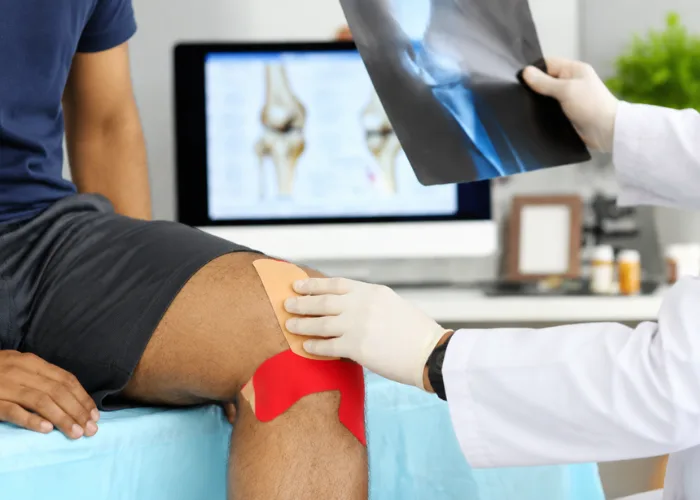
Physical Examination
A sports injury specialist evaluates:
- Knee movement
- Muscle strength
- Alignment
- Running pattern
- Pain location
Imaging Tests
Depending on symptoms, your doctor may recommend:
X-Ray
Helps evaluate bone alignment and joint structure.
MRI Scan
May be advised when symptoms suggest:
Treatment Options for Runner’s Knee
Treatment depends on the severity of symptoms and underlying causes.
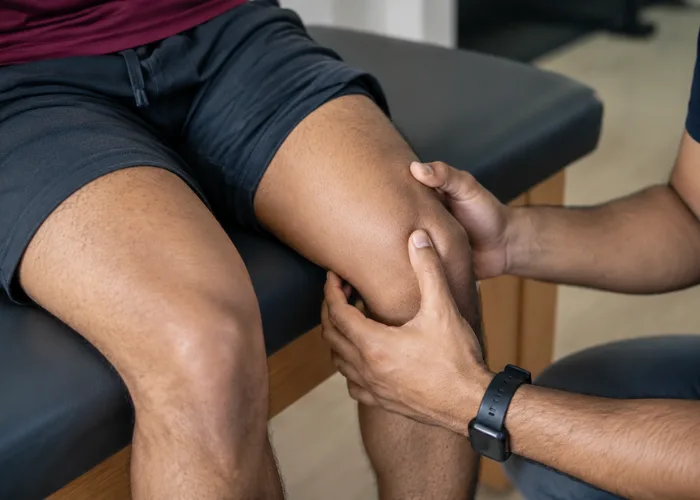
1. Activity Modification
Reducing activities that increase pain allows the knee to recover.
This may include:
- Temporarily reducing running distance
- Avoiding painful movements
- Switching to low-impact activities
2. Physiotherapy and Strength Training
Physiotherapy plays an important role in runner’s knee treatment.
Exercises may focus on:
Quadriceps Strengthening
Helps improve kneecap control.
Hip and Glute Strengthening
Improves lower limb stability during running.
Flexibility Exercises
Helps reduce muscle tightness affecting knee movement.
3. Pain Management
Depending on symptoms, your doctor may recommend:
- Ice application
- Activity modification
- Short-term medications if required
4. Correcting Running Mechanics
A running assessment can identify problems with:
- Foot strike
- Posture
- Stride pattern
- Training technique
Correcting these factors helps prevent recurrence.
5. Surgical Treatment
Most cases of runner’s knee improve with non-surgical treatment.
Surgery is rarely required but may be considered if:
- There is another underlying knee problem
- Structural damage is present
- Symptoms do not improve despite proper treatment
A knee specialist evaluates whether additional procedures are needed.
Prevention Tips for Runners
Preventing runner’s knee involves maintaining proper training habits and strengthening supporting muscles.
1. Increase Training Gradually
Avoid sudden increases in:
- Running distance
- Speed
- Training frequency
Follow a gradual progression plan.
2. Warm Up Before Running
A proper warm-up prepares muscles and joints for activity.
Include:
- Dynamic stretching
- Light jogging
- Mobility exercises
3. Strengthen Supporting Muscles
Regular strength training helps improve knee stability.
Focus on:
- Quadriceps
- Hamstrings
- Glutes
- Core muscles
4. Wear Proper Running Shoes
Choose footwear based on:
- Running style
- Foot structure
- Training requirements
Replace shoes when cushioning becomes worn.
5. Listen to Your Body
Do not ignore persistent knee pain.
Early evaluation can prevent minor problems from becoming long-term injuries.
When Should a Runner See a Knee Specialist?
Consult a specialist if you experience:
- Persistent knee pain while running
- Pain affecting daily activities
- Knee swelling
- Feeling of instability
- Reduced ability to train
- Symptoms that do not improve with rest
Early diagnosis helps identify the actual cause of knee pain and ensures appropriate treatment.
Why Choose Dr. Aditya Pawaskar for Knee and Sports Injury Treatment in Mumbai?
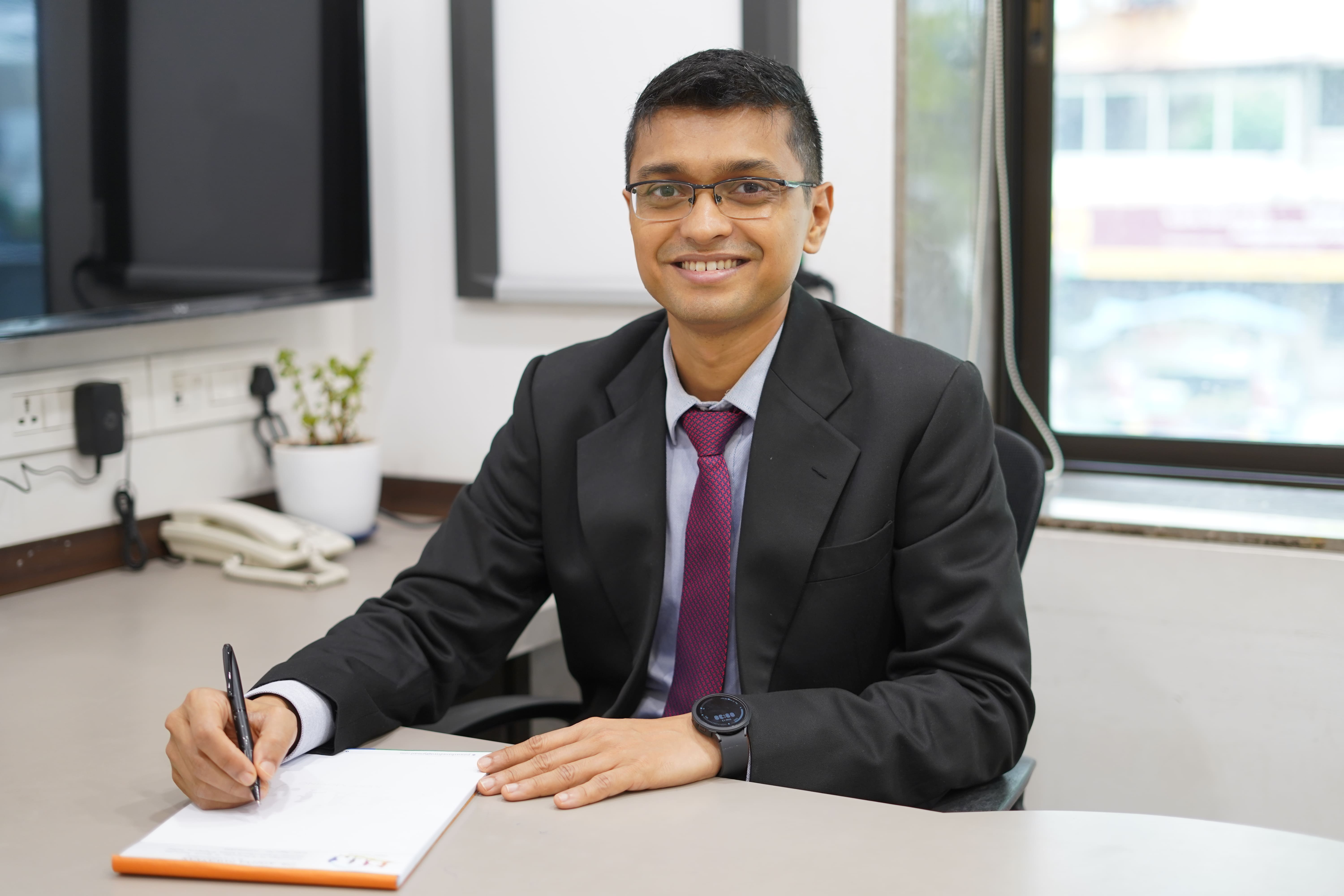
Dr. Aditya Pawaskar is a Consultant Arthroscopic Surgeon and Sports Injury Specialist in Mumbai with expertise in treating knee and sports-related injuries.
His expertise includes:
- ✔ Knee arthroscopy
- ✔ ACL tear reconstruction
- ✔ Sports injury management
- ✔ Knee pain evaluation
- ✔ Athlete rehabilitation planning
With specialised training in sports medicine, knee & shoulder arthroscopy, Dr. Aditya Pawaskar provides personalised treatment approaches based on each patient's injury, activity level, and recovery goals.
For patients looking for runner’s knee treatment in Mumbai, expert evaluation can help identify the cause of pain and create an effective recovery plan.
Learn more about Dr. Aditya Pawaskar:
https://dradityapawaskar.com/about

Dr. Aditya Pawaskar
Consultant Arthroscopic Surgeon & Sports Injury
Specialist
Specialised Care For:
- Knee Arthroscopy & ACL Reconstruction
- Sports Injury Management
- Runner’s Knee & Patellofemoral Pain
- Athlete Rehabilitation Planning
Frequently Asked Questions About Runner’s Knee
Conclusion
Runner’s knee is a common condition that can affect runners of all levels, from beginners to experienced athletes. While it may cause discomfort and limit performance, early diagnosis, proper strengthening, and correct training methods can help restore knee function.
If you have ongoing knee pain while running, consulting an experienced sports injury specialist in Mumbai can help identify the cause and guide appropriate treatment.
Dr. Aditya Pawaskar provides advanced knee and sports injury care focused on helping patients recover safely and return to their active lifestyle.
For consultation:
https://dradityapawaskar.com/contact
Dr. Aditya Pawaskar, MS (Orthopaedics)
- Specialist in Arthroscopy & Sports Injury, Mumbai
Visit: https://dradityapawaskar.com/